ServicesConventional Mortgage
Conventional Mortgage in Tyrone
A conventional loan often gives solid borrowers the most flexibility on down payment, term and mortgage insurance. We walk you through each choice in plain terms. The same loan officer handles your file from the first conversation to the closing table.

When a conventional loan makes sense
A conventional mortgage is a home loan with no government agency standing behind it, which means it is not an FHA or VA loan. Most of these loans follow Fannie Mae and Freddie Mac guidelines, and those guidelines cap the loan amount at a figure that is updated every year. If you need to borrow more than that cap, the loan falls under our Jumbo Loans page instead.
This kind of loan usually suits borrowers with steady income, fair-to-strong credit and savings set aside for a down payment. You can use it for a first purchase, a move-up purchase, a second home or a refinance. Putting down less than 20 percent is still possible. In that case you typically pay private mortgage insurance until your equity grows enough to cancel it.
Buyers from Tyrone, Fenton, Linden and Holly often ask us one thing first: is conventional right for me, or is another loan a better match? We answer plainly and put the numbers next to each other, so you can see the difference for yourself.
What you get when we handle your conventional loan
One loan officer, start to finish
The person who takes your first call is the same one you hear from during underwriting and the week of closing. You never have to wonder who has your file.
A written pre-approval
We check your income, savings and credit before writing anything, so the letter you give a seller is backed by a real review of your finances.
Down payment and PMI scenarios
You see your monthly payment at several down payment levels. We also map out when mortgage insurance would drop off, so you can choose the balance that works for you.
Term options side by side
We set fixed terms of 30 and 15 years next to an adjustable-rate choice and show how the monthly payment and total interest compare. That way you decide with all the numbers in view.
E-sign for most documents
With our E-Sign Technology, you can sign many forms and disclosures from a phone or laptop, so fewer trips to our office are needed.

Signs a conventional loan may be your best option
- Your credit is in good shape
- Conventional loans tend to reward higher credit scores with better pricing. If your score has climbed recently, this loan type may let you benefit from it.
- You have 5 percent or more saved
- Plenty of conventional programs work with modest down payments. Every added dollar down can trim both your rate pricing and your mortgage insurance.
- You want mortgage insurance that ends
- With conventional financing, PMI can be canceled after your equity builds to the required level. Some government-backed loans do not offer that same exit.
- You are buying a second home or rental
- A conventional loan can finance a property you will not occupy full time, which some other loan types do not allow.
- You are refinancing out of an FHA loan
- If your equity has grown, switching to conventional may let you leave FHA mortgage insurance behind. We can compare that with our FHA Refinance options during the same call.
How your conventional loan moves from call to closing
- 1
A first conversation by phone
We talk through your goals, income, savings and the price range you are considering. Before any paperwork, you hear honestly whether conventional is a good fit.
- 2
Paperwork and your pre-approval letter
We collect recent pay stubs, your tax returns and statements from your bank accounts, and much of it can be handled by e-sign. After a credit review, we issue a pre-approval you can take with you while you shop.
- 3
Rate choice and rate lock
When your offer is accepted or your refinance plan is set, we review your rate choices and lock the one you select. You learn how long the lock holds and what happens if closing slips.
- 4
Appraisal and underwriting
The lender orders an appraisal while an underwriter studies your file. If more documents are requested, we tell you the reason and keep after it so nothing sits waiting.
- 5
Closing day
Your final figures reach you before closing, and we review each line with you. You sign, and the loan funds.
What shapes your rate and closing costs
Conventional loans are priced one borrower at a time, because the lender looks at you and the property together. We show you which factors are pushing your numbers up or down, and which of them you can still influence. Every fee appears on your loan estimate, so the figures at closing should match what you already reviewed.
- Credit score
- A stronger score usually brings better rate pricing and smaller mortgage insurance premiums. Even a small change in your score can change your quote.
- How much you put down
- Lenders see less risk when you bring more equity to the table, and they price the loan that way. Once you reach 20 percent down, private mortgage insurance is usually off the table.
- Points and loan term
- Buying points at closing can bring your rate down, and a 15-year term tends to price below a 30-year. We work out how many months it takes for that upfront cost to pay for itself, so you can judge whether it is worth it.
- Property type and occupancy
- A place you live in full time generally gets better pricing than a second home or rental. Condos may come with their own pricing adjustments.
- Lock length and timing
- Holding a rate for a longer stretch can add cost. Setting the lock around a realistic closing date helps keep that cost low.
Conventional mortgage questions
- What is the smallest down payment a conventional loan allows?
- Some conventional programs accept as little as 3 percent down from qualified buyers, and many of our borrowers end up somewhere between 5 and 10 percent. Reaching 20 percent means no private mortgage insurance. We help you weigh a bigger down payment against keeping more savings on hand after closing.
- When can I get rid of PMI?
- With most conventional loans, you may request PMI removal when your balance hits 80 percent of the original value and your payments have been on time. If you do nothing, it falls off on its own at 78 percent. Paying extra toward principal, or a fresh appraisal after values rise, can shorten that wait.
- Is conventional better than FHA for me?
- That comes down to your credit, your down payment and how long you expect to keep the loan. FHA is often easier to qualify for, while conventional frequently costs less over the years for borrowers with good credit. We price out both so you can compare the actual dollars.
- Can I use a conventional loan to refinance?
- Yes. Depending on your equity, a conventional refinance can lower your rate, shorten or lengthen your term, or let you take cash out. We review the loan you have now and give you a plain answer on whether refinancing is worth doing right now.
- Do I have to come into your office to sign?
- Usually only for a small part of it. Most disclosures and many forms can be signed through our E-Sign Technology. A few closing documents still require you to sign in person, and your loan officer lets you know which ones well before closing day.
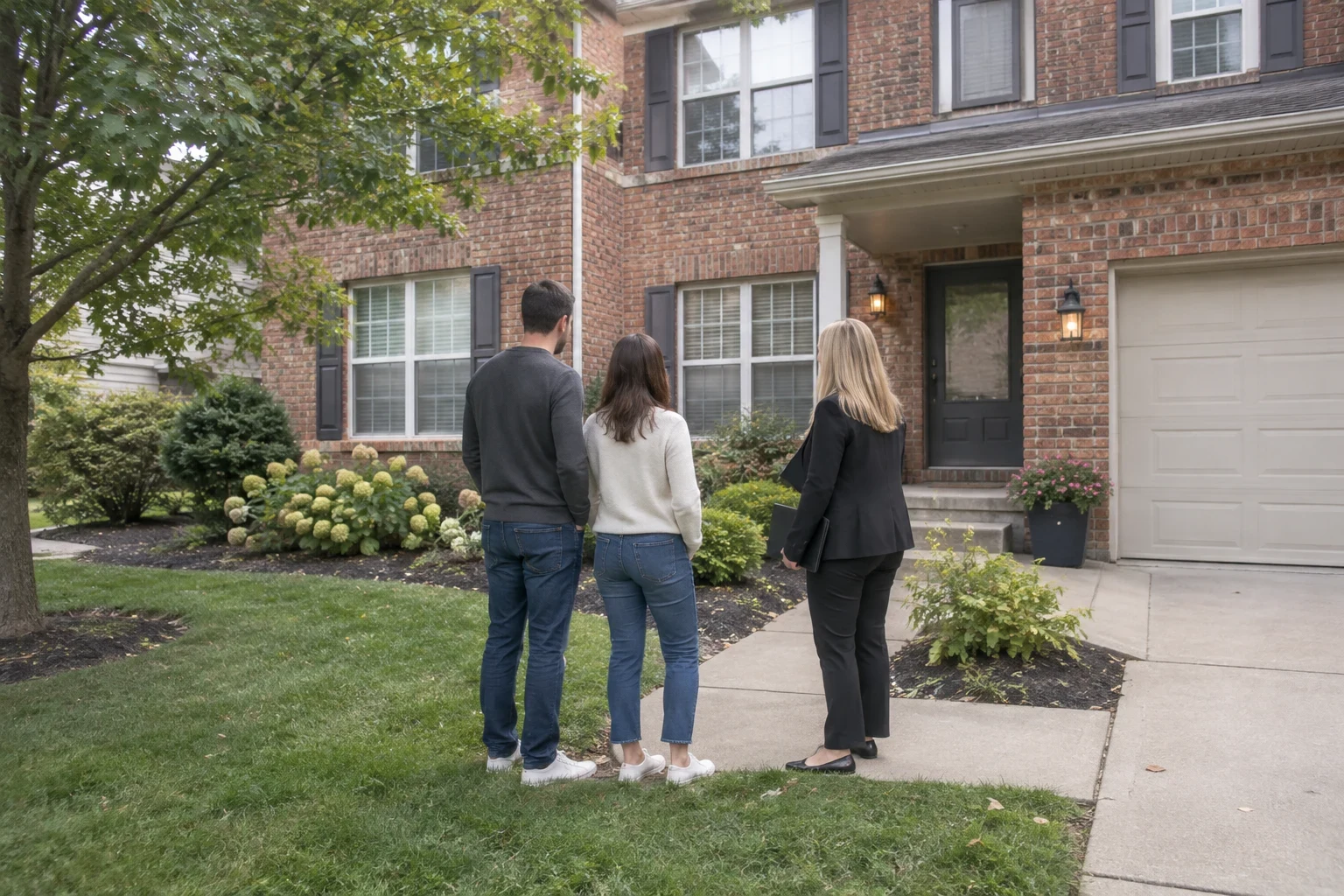
See what a conventional loan looks like for you
Tell us your goals and your numbers, and your loan officer will show you down payment, rate and PMI options side by side. From there, you can move straight into a pre-approval.